.avif)
Orthognathic Surgery Coordination in Longmont, CO
Orthognathic surgery, also called corrective jaw surgery, addresses bite and jaw problems that orthodontics alone cannot fix. When the upper and lower jaws are not in the right position relative to each other, no amount of tooth movement will produce a stable, healthy bite. At Martin Family Orthodontics in Longmont, CO, Dr. Laurel Martin coordinates the orthodontic phases of orthognathic surgery cases in close partnership with oral and maxillofacial surgeons across the Front Range.
When Orthognathic Surgery Is Needed
Some bite and facial structure issues are skeletal, not dental. The teeth themselves may be in reasonable positions, but the bones holding them are not. When the upper jaw and lower jaw do not meet correctly, a tooth-only approach with braces or aligners will not produce a healthy long-term outcome.
Common conditions that may require orthognathic surgery include:
- Severe overbite where the upper jaw projects significantly past the lower
- Severe underbite where the lower jaw extends beyond the upper
- Open bite, where the front teeth do not meet when the back teeth touch
- Crossbite involving skeletal asymmetry
- Significant facial asymmetry related to jaw growth
- Sleep apnea or airway concerns related to jaw position
- Difficulty chewing, biting, or speaking related to jaw alignment
- TMJ pain associated with skeletal jaw discrepancy
Not every patient with these conditions needs surgery. Some are well managed with orthodontics alone. The role of careful diagnostics, including 3D CT scanning, is to distinguish dental issues that can be moved with appliances from skeletal issues that require surgical correction.
Dr. Martin’s Role in Surgical Cases
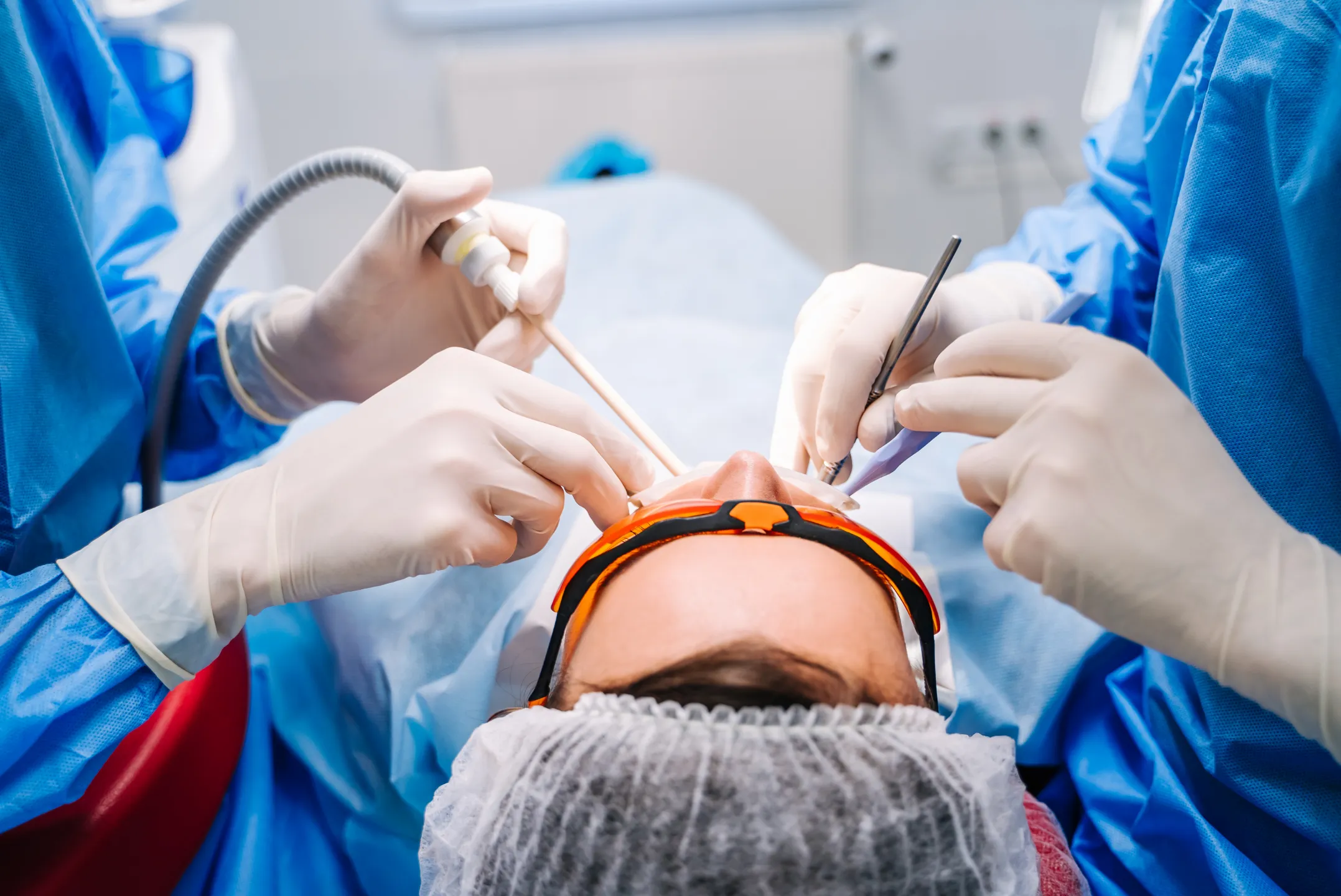
Orthognathic surgery is a team treatment. The oral and maxillofacial surgeon performs the surgical movement of the jaw bones. The orthodontist plans and manages the tooth positions before and after surgery to ensure the bite fits correctly once the jaws are in their new position.
Dr. Martin handles the orthodontic portion of these cases. That work typically includes:
- Pre-surgical orthodontics to position teeth so the jaws can be moved into the correct relationship
- Detailed 3D treatment planning in coordination with the surgical team
- Active management throughout treatment, with regular reviews of progress
- Post-surgical orthodontics to refine the bite once the jaws are healed in their new position
- Long-term retention planning to maintain results
If you are exploring orthognathic surgery for yourself or a family member, Dr. Martin will coordinate with the surgeon of your choice or refer to trusted oral and maxillofacial surgeons in the Boulder and Denver area.
What to Expect From the Treatment Timeline
Orthognathic surgery cases take longer than routine orthodontic treatment because the work happens in coordinated phases.
Phase 1: Pre-surgical orthodontics. Braces or aligners position the teeth so that, once the jaws are surgically moved into the right relationship, the teeth will meet correctly. This phase typically takes 12 to 18 months.
Phase 2: Surgery and recovery. The oral surgeon performs the jaw surgery and you go through a recovery period, usually several weeks. We typically remove archwires shortly before surgery and replace them after.
Phase 3: Post-surgical orthodontics. Once healing is well underway, we resume orthodontic refinement to fine-tune the bite. This phase usually takes 6 to 12 months.
Retention. Long-term retainers protect the result.
Total treatment time from start to finish typically ranges from 24 to 36 months. Dr. Martin will outline the expected timeline for your case at consultation.
Benefits of Orthognathic Surgery
Patients who go through orthognathic surgery report meaningful improvements in:
- Bite function and chewing efficiency
- Speech clarity in cases affected by jaw position
- Facial balance and profile
- Airway function and sleep quality in airway-related cases
- Jaw pain and TMJ symptoms in cases where misalignment was contributing
- Long-term oral health by reducing abnormal wear on teeth
These outcomes are most predictable when planning is rigorous, the surgical and orthodontic teams communicate closely, and the case is selected carefully in the first place.
Diagnostic Imaging We Use
Surgical cases require detailed three-dimensional imaging. We use:
- 3D CT scanning for bone, root, and airway analysis
- iTero digital impressions for precise tooth and arch models
- Panoramic X-rays for full-arch evaluation
This data allows Dr. Martin and the surgical team to plan jaw movement, surgical splints, and tooth positions with a level of precision that older 2D imaging cannot match.
Why Patients Choose Martin Family Orthodontics for Surgical Cases
Complex cases benefit from an orthodontist who manages them personally rather than handing them across rotating clinicians. Dr. Martin plans every case herself, has more than 25 years of orthodontic experience, holds an Adjunct Professor appointment at the University of Iowa, and has lectured nationally and internationally on orthodontic technology. Her academic background and her boutique practice structure both work in favor of patients who need careful, attentive care for a long-term treatment plan.
Frequently Asked Questions About Orthognathic Surgery
Heading
Lorem ipsum dolor sit amet, consectetur adipiscing elit, sed do eiusmod tempor incididunt ut labore et dolore magna aliqua. Ut enim ad minim veniam, quis nostrud exercitation ullamco laboris nisi ut aliquip ex ea commodo consequat. Duis aute irure dolor in reprehenderit in voluptate velit esse cillum dolore eu fugiat nulla pariatur.
How do I know if I need orthognathic surgery?
A comprehensive consultation that includes 3D imaging is the only way to determine this. Many patients who suspect they need surgery do not, and some who never considered it do. We will give you an honest evaluation.
How long does the entire process take?
Most surgical cases run 24 to 36 months from initial consultation through final retention check.
Is orthognathic surgery covered by insurance?
Coverage varies. Some medical insurance plans cover the surgical portion when there is a documented functional issue (airway, chewing, speech). Orthodontic phases are typically covered under dental orthodontic benefits. Our team will help verify coverage.
Will I look different after orthognathic surgery?
Patients with significant jaw discrepancies often see changes to their facial profile after surgery. These changes are usually subtle but noticeable, and they bring the face into better proportion. The surgical team will review expected aesthetic outcomes with you in detail.
Is there an alternative to surgery?
For some borderline cases, orthodontic camouflage treatment can mask a mild skeletal discrepancy without surgery. Whether camouflage is appropriate depends on the severity of the underlying jaw issue and on the patient’s goals.
Schedule a Consultation
If you have been told you might need jaw surgery, or you suspect your bite issue is more than just crooked teeth, the best next step is a consultation. Dr. Martin will review your case with the detail that complex cases deserve.